
House Reblocking & Relevelling in Melbourne's West
Not every uneven floor needs a full restump. Where the stumps are sound and the house has simply gone out of level, adjusting them costs a fraction of replacing them.
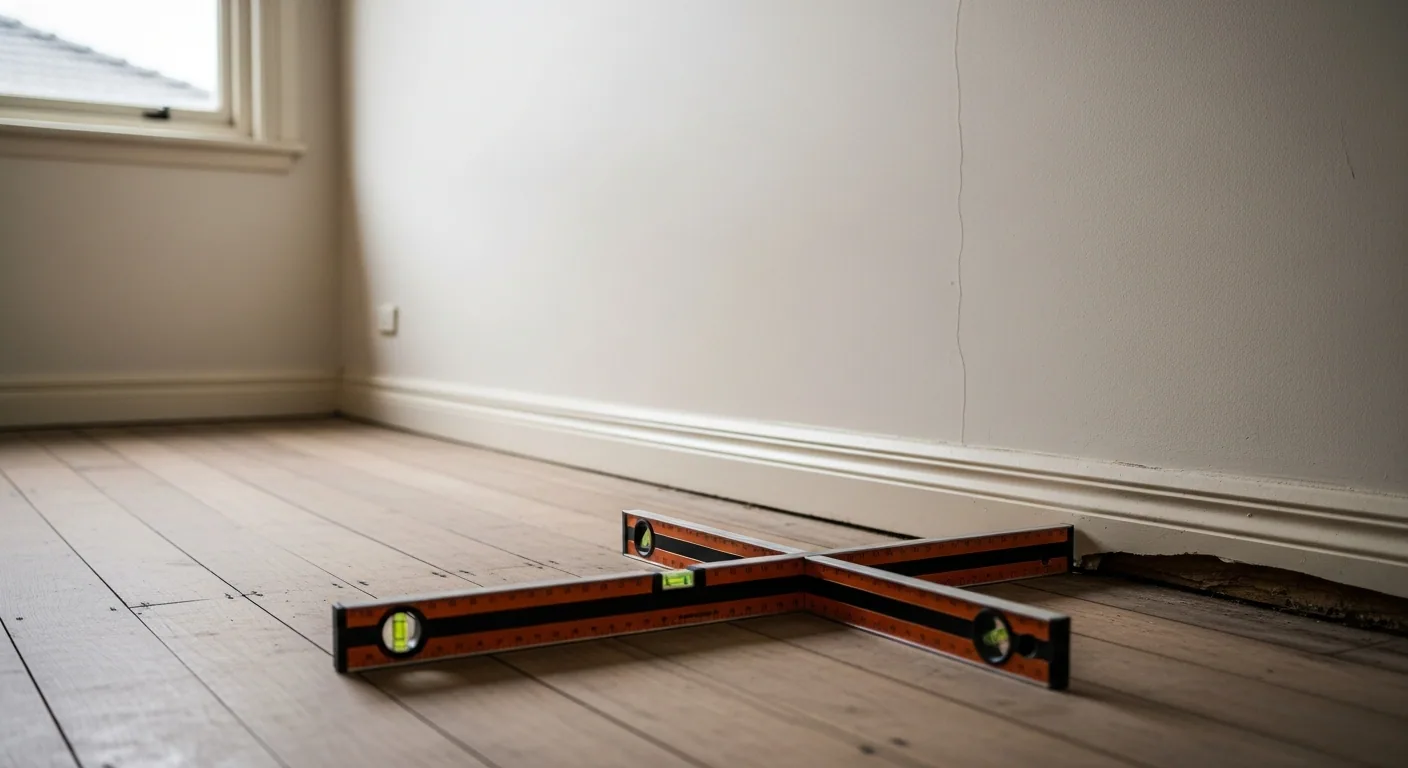
The cheaper answer nobody offers you
Most people ring about reblocking because a door has stopped closing. The instinct — and the sales pitch they usually get — is a full restump.
Sometimes that is right. Often it is not.
If your stumps are structurally sound and the house has simply been dragged out of level by ground movement, the job is relevelling: jacking the house back to level and adjusting or repacking the existing stumps. On steel stumps that is a thread adjustment. It is dramatically cheaper than replacement, and where the stumps are good it is the honest answer.
Partial reblocking sits between the two — replacing only the failed stumps, usually along one wall or in one corner where drainage or a tree has done localised damage, and leaving sound stumps alone.
Working out which of the three you need is the whole job of quoting. Any contractor who tells you it is a full restump before getting under the house is guessing, or selling.
What we actually assess
Whether the stumps are sound below ground, by excavating beside them rather than looking at them
How far out of level the floor is, measured across the whole footprint rather than eyeballed in the room you complained about
Whether the movement is uniform or localised — a whole house sitting low is a different problem from one dropped corner
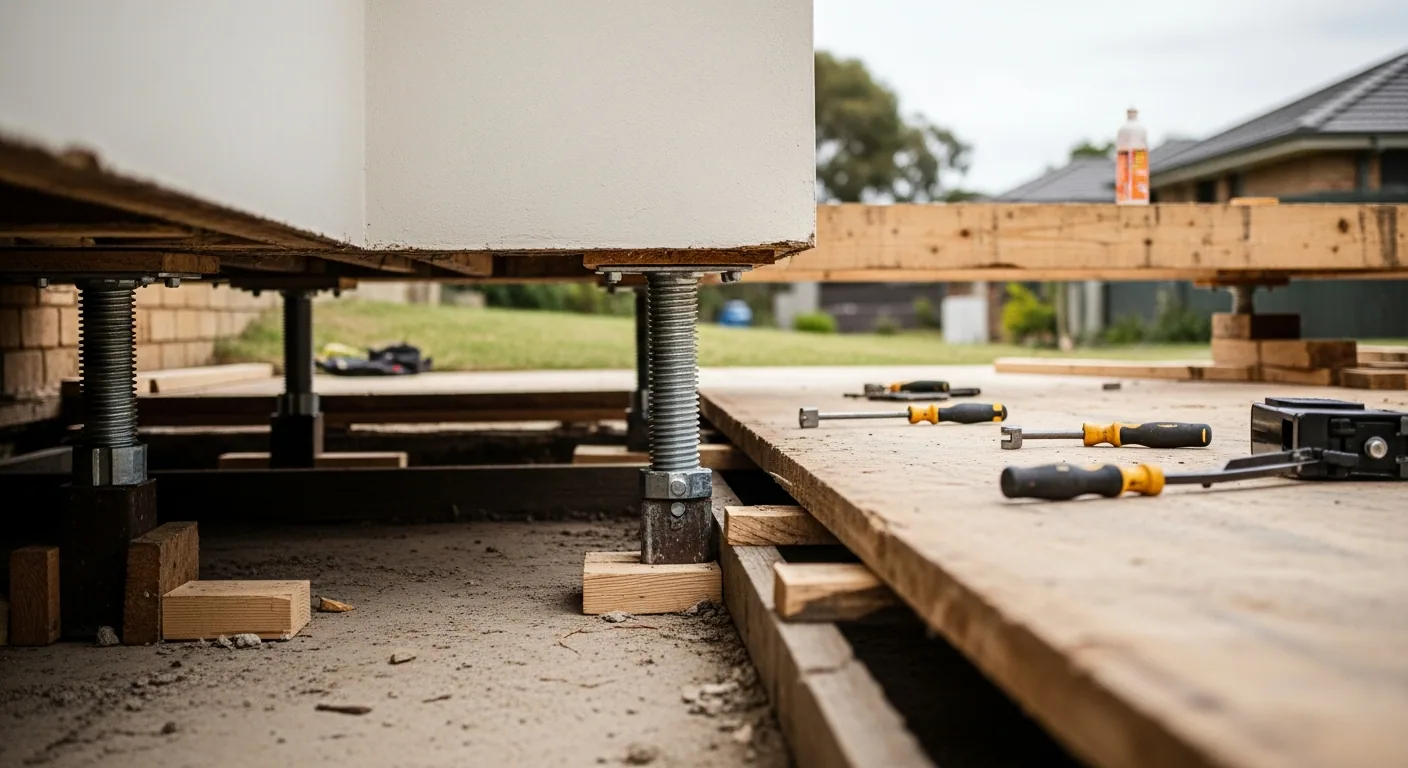
What caused it — drainage, plumbing leaks, tree roots, or seasonal clay movement
Whether it is still moving, which changes whether to act now or monitor
That last one matters. A house that moved fifteen years ago and stopped is a straightforward relevel. A house still actively dropping needs the cause fixed first, or you will pay twice.
Why houses in Wyndham go out of level
The western suburbs sit on reactive clay — largely Class M and H1 under AS 2870, with more reactive H2 ground through the older Werribee and Wyndham Vale flats, and P-classified land where paddocks were filled for housing.
Reactive clay changes volume with moisture. It swells in a wet winter and shrinks in a dry summer, and the movement is rarely even across a block. Common local causes:
A large eucalypt or similar drawing moisture from one side of the house
A leaking or disconnected stormwater downpipe soaking one corner
Paving or a slab on one side keeping ground moist while an exposed side dries
Poor fall away from the house, so water sits against the footings
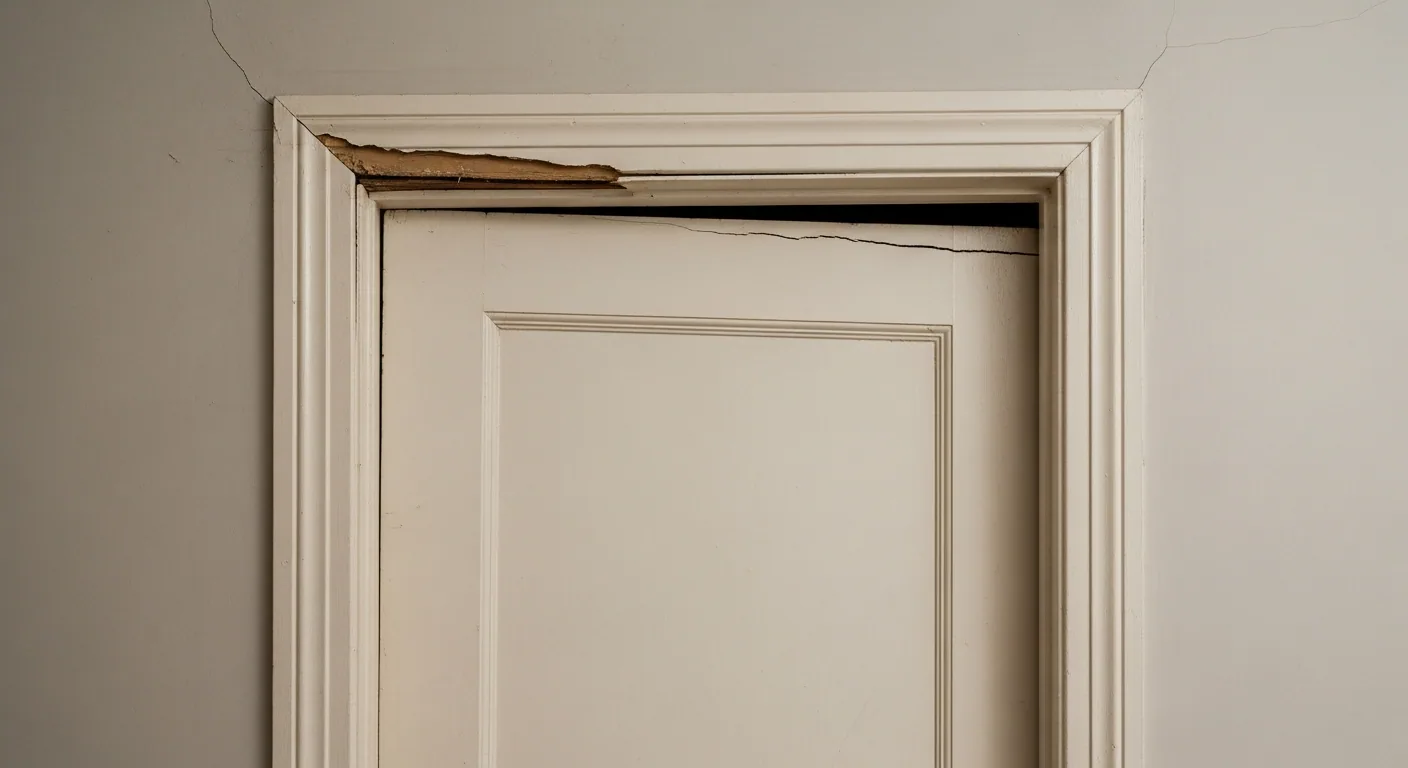
Drought and heavy-rain cycles, which have been pronounced across Melbourne's west
Which is why we look at your downpipes and your trees, not only your stumps.
What it costs and how long it takes
Relevelling sound stumps is markedly cheaper than a full restump — you are paying for jacking, adjustment and making good rather than for materials and excavation. Partial reblocking sits between the two and scales with how many stumps are replaced.
A full restump for comparison generally runs $10,000 to $18,000 for a typical three-bedroom weatherboard, and $12,000 to $35,000 across Melbourne more broadly.
Timing: a partial job is often one to three days; a full reblock three to seven days, and longer on difficult access. As with any lifting work, expect the house to keep settling for one to two months afterwards, so hold off on patching plaster and repainting until it has stopped moving.
Permits apply here too
Reblocking is structural work and needs a building permit under the Building Act 1993, issued through a private registered building surveyor. Victoria does not allow owner-builders to carry out subfloor work of this type — it must be a registered builder holding the reblocking and restumping class. Above $16,000, statutory builder's insurance applies as well.
That holds even for a partial job. If a quote is silent on the permit, ask why.
Why choose us for house reblocking & releveling
- Relevel where the stumps are sound — we will say so rather than upsell
- Whole-floor level survey, not a look at the room you mentioned
- Cause diagnosed — drainage, trees or clay — before anything is jacked
- Partial reblocking where only one wall or corner has failed
- Permit and registered builder as standard, even on small jobs
House Reblocking & Releveling — common questions
What is the difference between reblocking and restumping?
Nothing — they are two words for the same job, replacing the stumps under your house, and Victorians tend to say reblocking. Relevelling is the genuinely different one: adjusting and repacking the stumps you already have to bring the floor back to level, without replacing them. Some contractors also use reblocking to mean a partial replacement and restumping to mean a full one, so it is worth asking exactly what a quote covers.
My house is only 10 years old and doors are sticking. Does it need reblocking?
Possibly not. On a house that age in Melbourne's west, the more likely culprit is reactive clay moving seasonally — the ground swelling in winter and shrinking in summer — combined with drainage that concentrates water on one side. Fixing the drainage sometimes resolves it without touching the subfloor. It is worth having someone measure the floor levels properly and look at where your water is going before assuming stumps.
Can you relevel my house without replacing the stumps?
Yes, where the stumps are structurally sound — that is exactly what relevelling is, and it costs a fraction of a full restump. Steel stumps are threaded and adjust readily; concrete stumps can often be repacked. The catch is that we can only tell whether the stumps are sound by excavating beside them, because timber rots from below ground. If they have gone, adjusting them just buys a short reprieve.
I have cracks in my external brickwork. Is that stumps?
It might be, but brick cracking is more often a footing or ground-movement problem than a stump problem, particularly on the reactive clay out here. Diagonal cracks stepping through mortar joints near windows and corners usually point to differential ground movement. That can mean underpinning rather than reblocking. Worth getting the cause diagnosed before committing to either — they are different jobs at very different prices.
How long does reblocking take and how much mess is there?
A partial job is often one to three days; a full reblock three to seven, longer on difficult access. There is genuine mess — excavated clay around the perimeter, dust through the house, and noise from jacking. Most families stay in the house through it. Expect some hairline cracking at existing weak points, and expect the house to keep settling for one to two months, so leave patching and painting until after that.
Do I need a permit for reblocking?
Yes. Reblocking is structural building work under the Building Act 1993 and requires a building permit issued by a private registered building surveyor. It is also not owner-builder work in Victoria — a registered builder holding the reblocking and restumping class has to do it. For contracts over $16,000, statutory builder's insurance applies too. This holds for partial jobs, not just full ones.
Why do quotes vary so much between contractors?
Because they are often quoting different jobs. One may have priced a full restump, another a partial, another a relevel. Access assumptions differ, as do stump material, footing depth for your soil class, and whether the permit and engineering are included. Ask every quote to state the stump count, the material, the footing depth and whether permit and engineering are in the price — that is what makes them genuinely comparable.
Will relevelling fix my sticking doors and cracked plaster?
Bringing the floor back to level usually resolves doors and windows that had gone out of square, and it stops the cracking getting worse. It does not repair the existing cracks — that is cosmetic work afterwards. Wait one to two months before patching and painting so the house has finished settling, otherwise you will be doing it twice.
Ready to book house reblocking & releveling?
Contact us today for your free, no-obligation quote.