
House Restumping in Werribee & Melbourne's West
Stumps rot from the ground down, so the ones you can see tell you almost nothing. By the time doors stick and floors bounce, the damage has usually been underway for years.
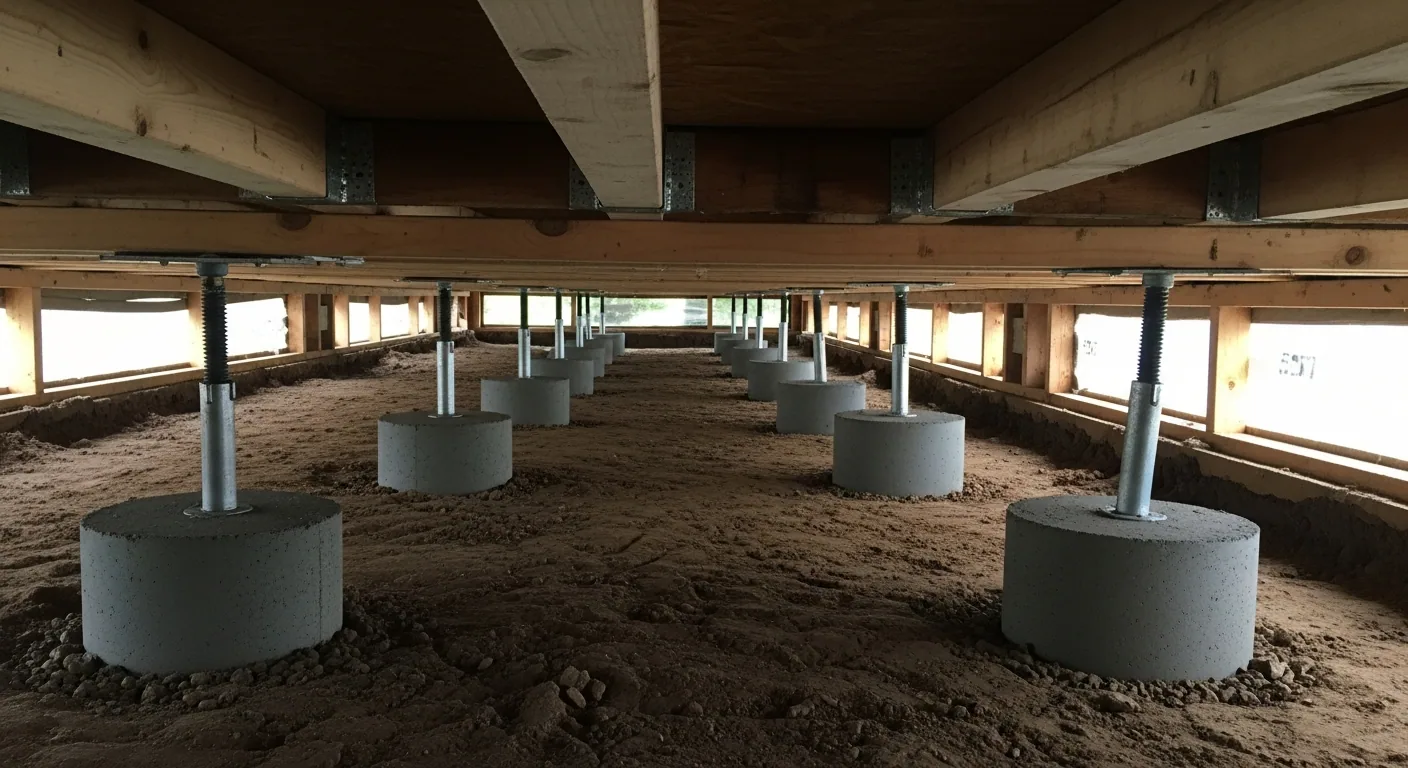
Restumping, reblocking, relevelling — which do you need?
These words get used loosely, and contractors do not all mean the same thing by them, so here is how we use them.
Restumping and reblocking mean the same job: replacing the stumps your house sits on. Australians use both, and Victorians lean towards "reblocking" — you will see it in half the business names across Melbourne. If someone quotes you for one and someone else quotes for the other, you are comparing the same work.
Relevelling is a smaller and genuinely different job: adjusting and packing the stumps you already have to bring the floor back to level, without replacing them. It is cheaper, and where the stumps are structurally sound it is the honest answer.
Part of quoting properly is telling you which of the three you actually need. Not every sloping floor needs a full restump.
How to tell if your stumps have gone
The tell-tales owners notice first, roughly in the order they appear:
Doors and windows that stick, or swing open on their own
Floors that bounce or feel springy underfoot, particularly in the middle of a room
Visible slope — the marble test is crude but it works
Gaps opening between skirting boards and the floor
Cracked plaster, especially above door frames
Cracks in external brickwork
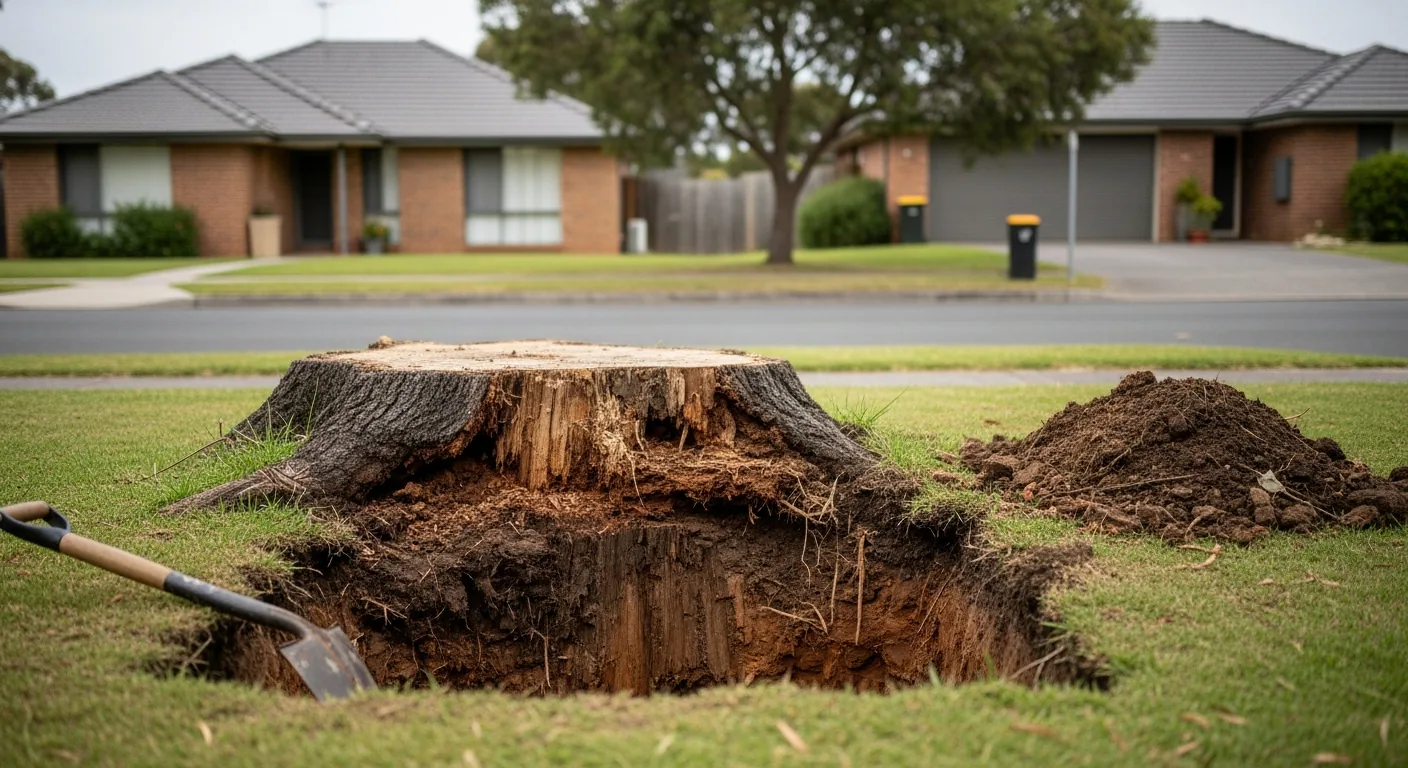
Here is the part that matters, and it is why a visual look under the house is not enough: timber stumps rot from below ground level. A stump can look completely sound where you can see it and be gone 100 millimetres down. Assessing properly means digging down beside stumps, not just shining a torch under the floor.
Concrete or galvanised steel?
Both are a very long step up from the timber they are replacing.
Concrete stumps are the default in Melbourne and the most common choice nationally. They are strong in compression, unaffected by rot and termites, and last decades.
Galvanised steel stumps are lighter to handle, which matters where subfloor access is tight, and they are adjustable — the thread lets a floor be re-levelled later without excavating. That adjustability is genuinely useful on reactive clay, where seasonal movement is a fact of life.
We will tell you which suits your subfloor rather than defaulting to whichever we have on the truck. Where access is poor, steel is often the only sensible answer.
Why Melbourne's west moves
This is not a district where houses settle once and stop.
Werribee, Hoppers Crossing, Tarneit and Point Cook sit on reactive clay — mostly Class M and H1 under AS 2870, with more reactive H2 pockets through the older Werribee and Wyndham Vale flats, and P-classified sites where land was previously farmed and filled.
Reactive clay swells when it takes up water and shrinks when it dries. Over a hot Werribee summer the ground under one side of a house can shrink while a shaded or better-watered side does not, and the house is dragged out of level. Add a large gum drawing moisture from one corner, or a leaking stormwater connection soaking another, and you get the uneven movement that pulls stumps out of plumb and cracks plaster.
Fixing the stumps without fixing the water is how houses end up restumped twice. We look at drainage and vegetation while we are quoting, and we will tell you if that is the real problem.
Permits, and who is allowed to do this
Restumping is structural building work, and in Victoria it needs a building permit under the Building Act 1993. That permit is issued by a private registered building surveyor, not by council over the counter.
Two consequences worth knowing:
This is not owner-builder work. Victoria does not permit owner-builders to carry out subfloor work of this kind. It has to be done by a registered builder holding the reblocking and restumping class.
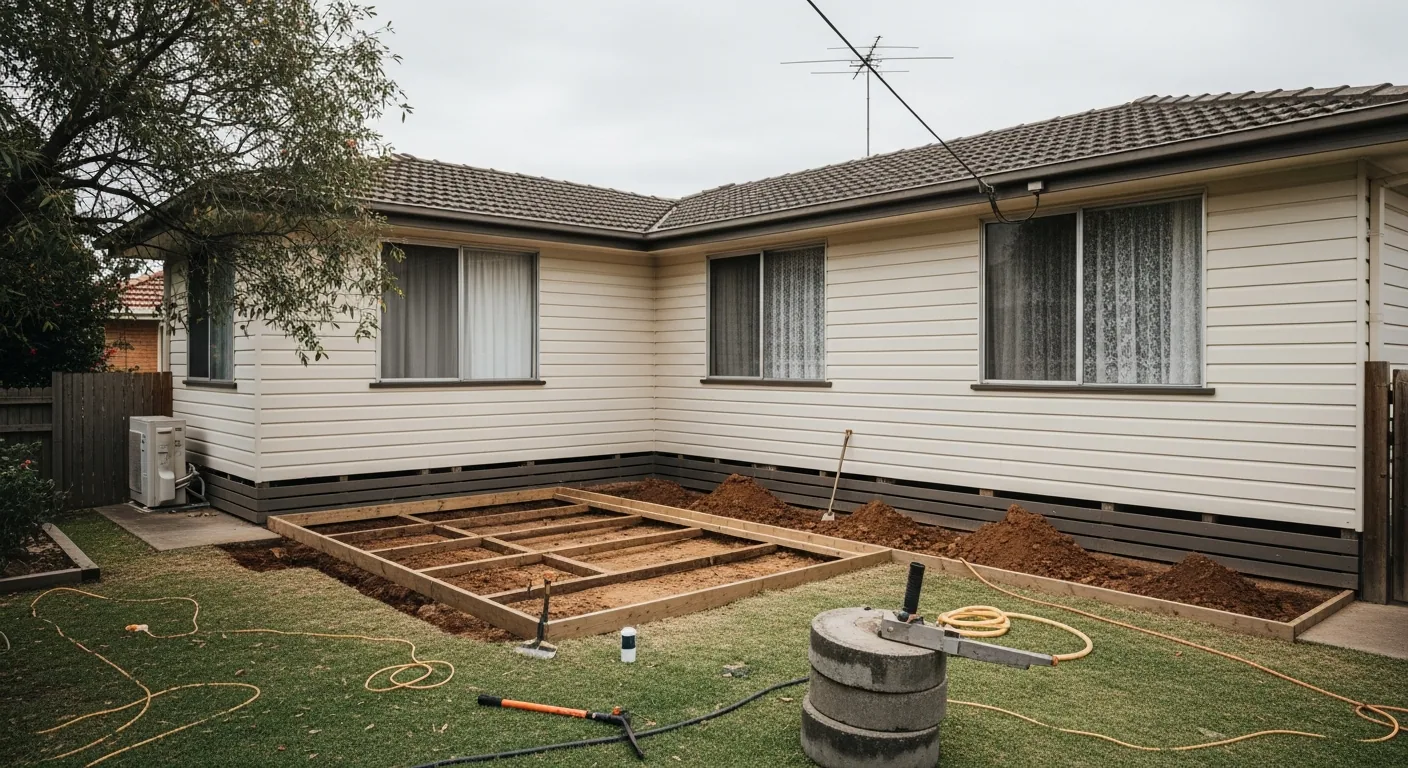
Unpermitted structural work follows you. It surfaces in a building inspection when you sell, and it can complicate an insurance claim. A cheap quote that skips the permit is not a saving, it is a deferred problem.
Where the contract value is over $16,000, statutory builder's insurance also applies — the cover Victoria has run as Domestic Building Insurance, and which has moved to Home Warranty for new contracts from 1 July 2026. Ask any contractor to show you the certificate for your job.
What it costs, honestly
Published figures vary widely, and you should be suspicious of anyone quoting one number sight unseen.
Per stump, the ranges published across Melbourne run from roughly $280 to $550 at the lower end of the estimates, and $400 to $1,000 at the wider end, depending on material, depth and access. Concrete stumps supplied and installed commonly land around $500 to $800 each.
For a whole house, a typical three-bedroom weatherboard with 40 to 60 stumps generally falls between $10,000 and $18,000, with full restumps across Melbourne quoted anywhere from about $12,000 to $35,000 on harder sites.
Treat all of those as indicative ranges rather than a price. The four things that actually move your number:
1. How many stumps the house has 2. Subfloor clearance — a crawl space you can sit up in is a different job to 400 millimetres of belly-crawl 3. Concrete or steel, and how deep the footings must go for your soil class 4. Whether the floor comes up — working from underneath is cheaper where clearance allows it
If three quotes come back thousands apart, that is normal, and it usually reflects different assumptions about those four things. Ask each quote to state the stump count, the material and whether the permit and engineering are included — that is what makes them comparable.
What the week looks like
Most jobs run three to seven working days. A partial restump of one section can be one to three days; a full restump of a larger or awkward house can run seven to nine, and difficult sites longer again.
The house is jacked gradually and in sequence rather than lifted in one go, because that is what keeps plaster cracking to a minimum. Some hairline cracking at existing weak points is normal and expected — a contractor who promises none is overselling.
Expect the house to keep settling gently for one to two months afterwards. That is why cosmetic patching and repainting should wait rather than happen the week the scaffold leaves.
Why choose us for house restumping
- Stumps assessed below ground level, not just torch-and-guess
- Building permit arranged through a registered building surveyor
- Concrete or adjustable galvanised steel, chosen for your subfloor
- Drainage and tree causes flagged, so you are not restumped twice
- Quotes itemise stump count, material, permit and engineering
House Restumping — common questions
How much does restumping cost in Melbourne?
A typical three-bedroom weatherboard with 40 to 60 stumps generally runs $10,000 to $18,000, and full restumps across Melbourne are quoted anywhere from about $12,000 to $35,000 on harder sites. Per stump, published ranges run from around $280 to $1,000 depending on material, depth and access, with concrete commonly $500 to $800 installed. These are indicative ranges — the only real number comes from someone getting under your house.
How do I know if my house needs restumping?
The usual signs are doors and windows sticking, floors that bounce or slope, gaps opening between skirting and floor, and cracked plaster above door frames. But the important point is that timber stumps rot from below ground up, so a stump can look fine where you can see it and be gone 100 millimetres down. A proper assessment means digging beside stumps, not just looking under the house with a torch.
Do I need a permit, and can I just get someone to do it cheaply?
You need a building permit — restumping is structural building work under the Building Act 1993, and the permit is issued by a private registered building surveyor. It is also not owner-builder work in Victoria: subfloor work of this kind must be done by a registered builder holding the reblocking and restumping class. Unpermitted structural work shows up in a building inspection when you sell and can complicate an insurance claim later.
Can we live in the house while it is being restumped?
Usually yes. Most restumps are done from underneath with the house jacked in stages, and families commonly stay put. It is dusty, noisy and the floor will move slightly day to day, so it is not pleasant — but it is generally liveable. Where floorboards have to come up across living areas, or where the lift is substantial, moving out for a few days is easier. We will tell you which yours is at quote stage.
Will restumping damage my house or crack the plaster?
Some minor cracking at existing weak points is normal and should be expected, because the house is being moved back towards level and old plaster is brittle. Good practice minimises it: jacking gradually and in sequence rather than lifting in one go. Anyone promising zero cracking is overselling. Expect the house to settle for another one to two months afterwards, so leave cosmetic patching and painting until then.
Concrete or steel stumps — which is better?
Both massively outlast timber. Concrete is the Melbourne default: strong, rot-proof, termite-proof and long-lived. Galvanised steel is lighter to handle in tight subfloors and, usefully, adjustable — the thread lets the floor be re-levelled later without excavating, which genuinely helps on the reactive clay out here. Access and soil class usually decide it more than preference does.
How long do stumps last, and will I have to do this again?
Timber stumps are the ones that fail, typically after several decades depending on soil moisture and drainage. Concrete and galvanised steel should outlast your ownership. The bigger risk to a second restump is not the stumps themselves but the cause: if a leaking stormwater line or a large tree is drying out one corner of the block, new stumps in moving ground will move too. That is why we look at drainage and vegetation while quoting.
What is the difference between restumping, reblocking and underpinning?
Restumping and reblocking are the same job under two names — replacing your stumps — and Victorians tend to say reblocking. Relevelling is smaller again: adjusting existing sound stumps back to level without replacing them. Underpinning is a different thing entirely: it extends and strengthens the foundations themselves where the ground beneath has moved or lost bearing, and it is what you need when the problem is the soil rather than the stumps.
Ready to book house restumping?
Contact us today for your free, no-obligation quote.